

Have you ever wondered why drugs are so easily accessible in India even when many of them are banned? This is a common question in the minds of parents, youngsters, and families, especially when seeking support from a Nasha Mukti Kendra in Ghaziabad. Drugs, alcohol, and cigarettes can seriously affect physical and mental health. Although there are laws and awareness campaigns about their harmful effects, illegal drugs can still be found in many places. A combination of socioeconomic, cultural, and systemic factors contributes to their availability in India. Here are 7 major reasons why drugs remain easily accessible.
1. Closer to Drug-Producing Regions
One major reason why drugs are available in India is the country's geographical location. India is located close to several regions that are known for illegal drug production and trafficking. Its location can make the country vulnerable to illegal drug trafficking routes, allowing drugs to enter through different borders and routes.
2. Weak Enforcement of Drug Laws
India has strict laws against the possession, production, and trafficking of illegal drugs, including the Narcotic Drugs and Psychotropic Substances Act (NDPS). However, challenges such as limited resources, corruption, complicated legal processes, and an overburdened justice system can make effective enforcement difficult in some areas.
3. High Demand Among Youth
The growing demand for drugs among some sections of young people is another important factor. Curiosity, peer pressure, stress, and the desire to experiment can encourage youngsters to try drugs. For some individuals, repeated use may eventually develop into dependency or addiction, increasing the demand for illegal substances.

3. High Demand Among Youth
The internet has also changed the way illegal activities are carried out. Certain online platforms, encrypted messaging services, and hidden parts of the internet can be misused for illegal drug transactions. Social media can also expose teenagers and young adults to people promoting or normalizing substance use.
5. Lack of Awareness and Education
Many people know that drugs and alcohol are harmful, but awareness about addiction and its long-term effects is still limited. Families may also hesitate to discuss substance abuse openly because of social stigma. Better education, early guidance, and honest conversations can help young people understand the risks before experimentation turns into addiction.
6. Cultural, Religious & Traditional Practices
Certain traditional practices involve substances that may be socially accepted in specific communities or during festivals. For example, bhang is traditionally associated with festivals such as Maha Shivratri in some parts of India. These cultural practices can sometimes make discussions around substance use more complicated and require a balanced approach between tradition, health, and regulation.
7. Influence of Bollywood & Pop Culture
Movies, music, and social media can influence the way young people view drugs and alcohol. When substance use is shown as fashionable, entertaining, or harmless, some youngsters may develop a more positive attitude toward it. Responsible representation and awareness are therefore important to prevent young people from copying unhealthy behaviors.
Get Help for Drug Addiction
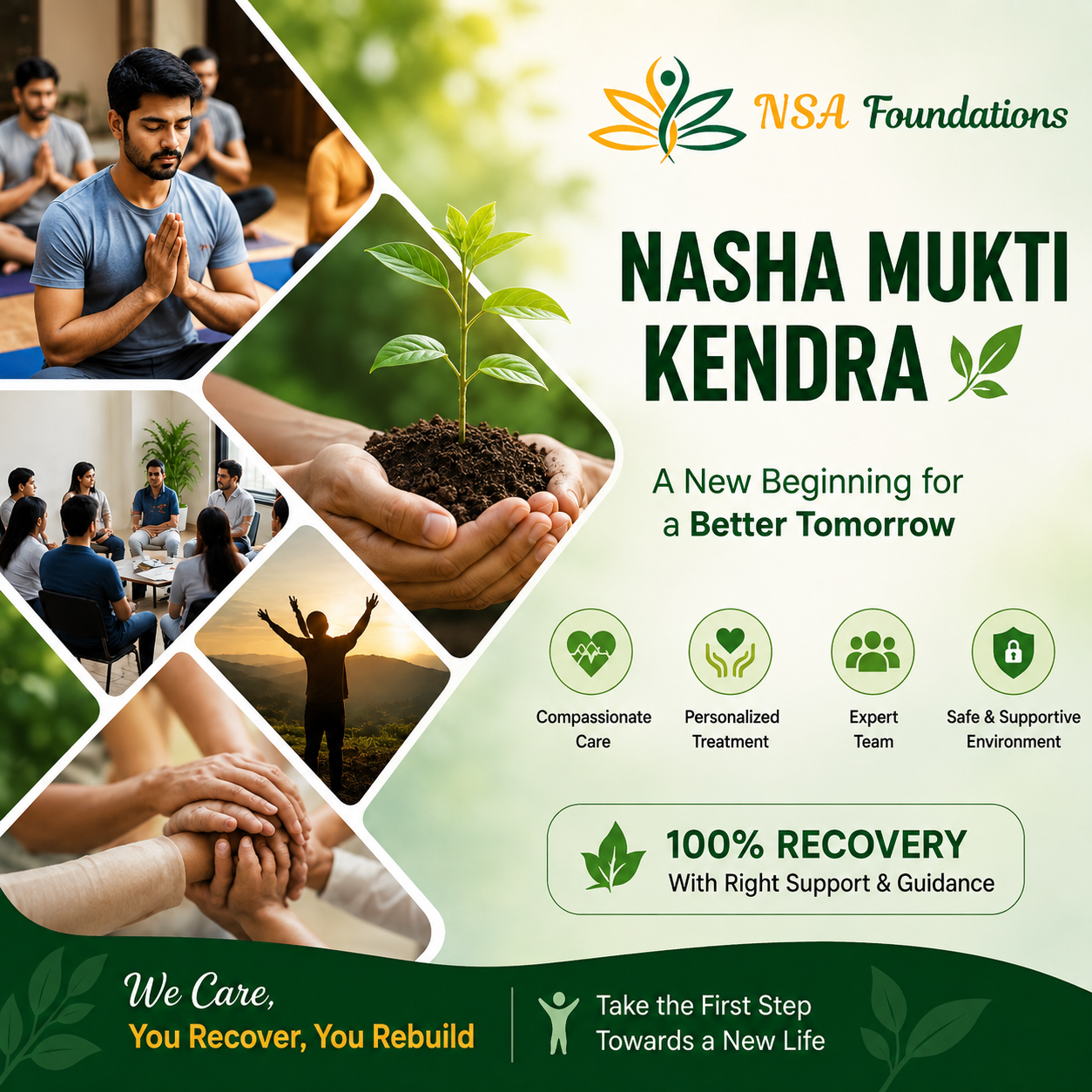
If you or someone in your family is struggling with drug or alcohol addiction, professional support can make the recovery journey easier. NSA Foundations focuses on providing support, counselling, and rehabilitation to people dealing with substance addiction.
Recovery requires patience, proper guidance, family support, and a healthy environment. If you are looking for a trusted Nasha Mukti Kendra in Noida, seeking professional help at the right time can be an important step toward a healthier and sober life.